Types of Hand Controls for Cars: A Complete Guide to Adaptive Driving Options
Mobility is not just a convenience but a fundamental aspect of independence and quality of life. For many, the journey toward enhanced mobility begins with understanding and selecting the right hand controls for their vehicles. With advancements in vehicle and hand-control technology, choosing the right option depends on factors such as the user’s ability, preferences, and vehicle type.
Of course, finding the right hand control for your driving needs can be overwhelming. At Southern Bus & Mobility, we’re committed to guiding you through this crucial decision-making process so you can drive safely and confidently.
What Are Hand Controls for Cars?
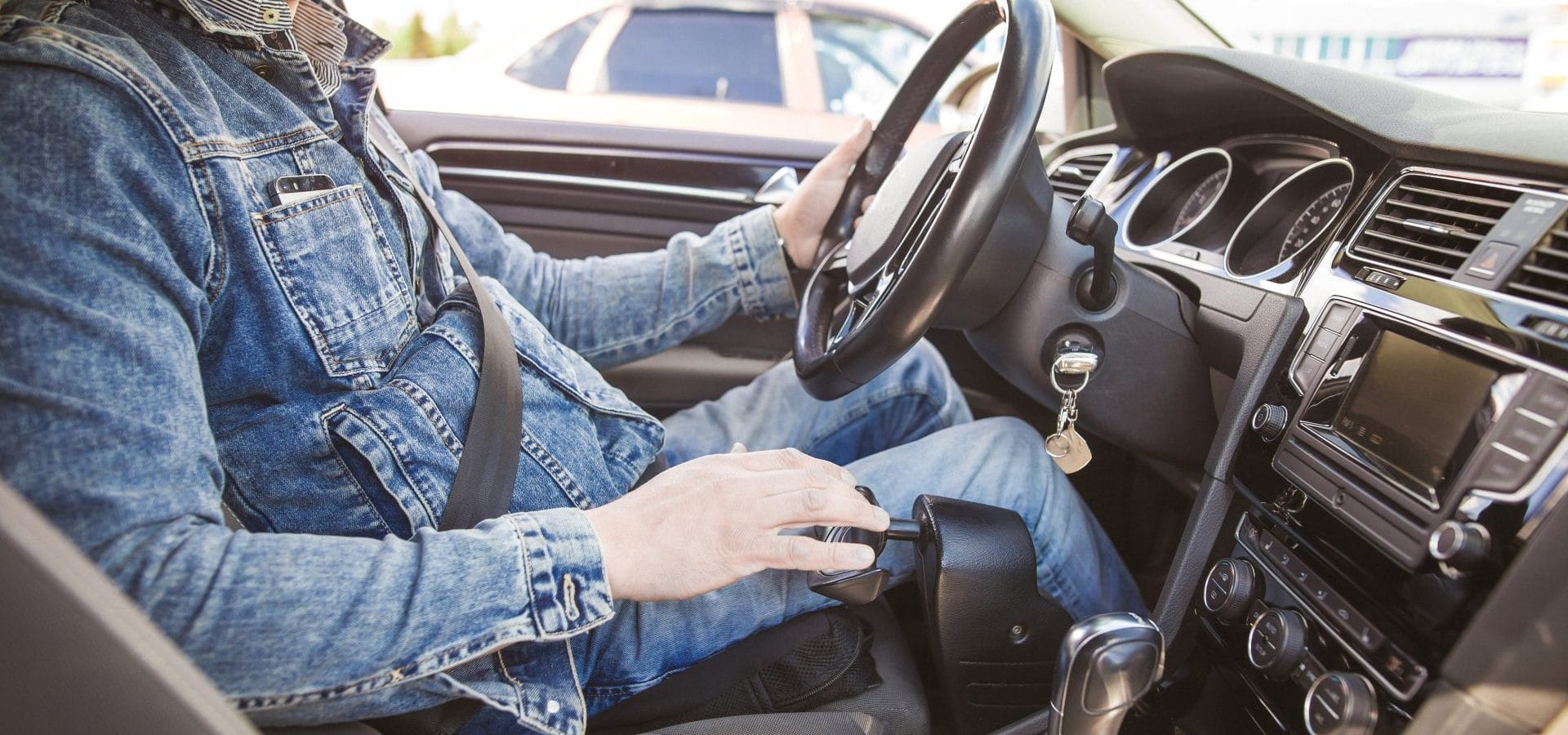
Hand-control equipment is an innovative adaptation that enables individuals with limited or no leg use to drive a vehicle. These devices replace traditional foot brakes and gas pedals with hand-operated controls, allowing drivers to manage acceleration, braking, and, in some cases, steering.
They’re a remarkable blend of engineering and ergonomics, designed to deliver a seamless driving experience for people with physical limitations.
Benefits of Hand Controls for Adaptive Driving
The advantages of this type of adaptive equipment extend far beyond increasing limited mobility. They offer a renewed sense of freedom, allowing individuals to travel for work, social engagements, or leisure without relying on others.
Safety is paramount in their design, ensuring drivers have complete control of their vehicles. Moreover, hand controls can be customized to fit individual needs, providing comfort and ease of use.
Types of Hand Controls for Cars
Understanding the different types of hand controls can help you make an informed decision about what’s best for your needs.
Mechanical Hand Controls
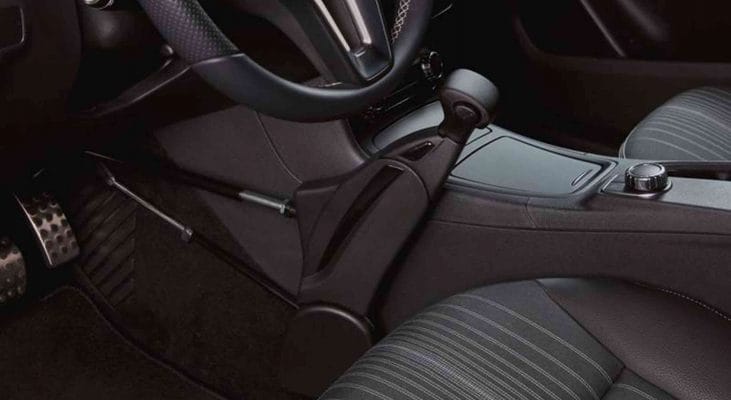
Mechanical hand controls are directly connected to the car’s brake and accelerator mechanisms. They’re robust and reliable, and they offer a straightforward push-pull operation of the gas and brake pedals.
Drivers typically use a push-pull motion to accelerate and brake. While they are cost-effective and durable, they require good upper-body strength and coordination.
Mechanical hand controls also come in a variety of styles:
Push-Pull Hand Controls
Push-pull hand controls are among the most widely used and recognizable types of car hand controls. This system typically operates by pulling the control toward the driver to accelerate and pushing it away to apply the brake.
Because of their straightforward motion, push-pull controls are often considered easier to learn, especially for drivers new to adaptive driving equipment. The mechanical design provides direct feedback, allowing drivers to feel changes in acceleration and braking. This type of hand control typically requires consistent upper-body strength and coordinated arm movement, making it well-suited for drivers who have reasonable control of their arms and hands.
Push-Right-Angle Hand Controls
Push-right-angle hand controls function similarly to push-pull systems but use a downward or angled motion rather than a straight push. In most configurations, the driver pushes down or forward at a right angle to brake and pulls back to accelerate.
This design can benefit drivers who find straight push-pull motions uncomfortable or challenging due to limited reach or range of motion. By changing the angle of movement, push-right-angle hand controls can reduce strain on the wrist and shoulder while still providing precise control of the vehicle’s speed.
Push-Rock Hand Controls
Push-rock hand controls use a rocking motion rather than a linear push or pull. The driver typically rocks the control in one direction to accelerate and in the opposite direction to brake.
This type of system is often chosen by drivers who prefer smaller, more controlled movements. Because they reduce the range of motion, push-rock hand controls may offer fatigue-free driving, particularly for longer excursions. They can also be easier to manage for individuals with limited arm extension who maintain good hand control and fine motor coordination.
Push-Twist Hand Controls
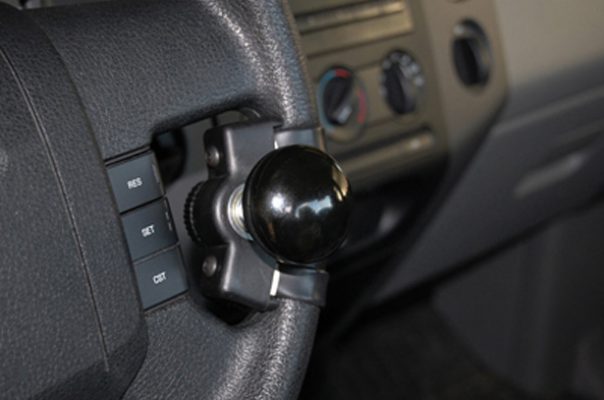
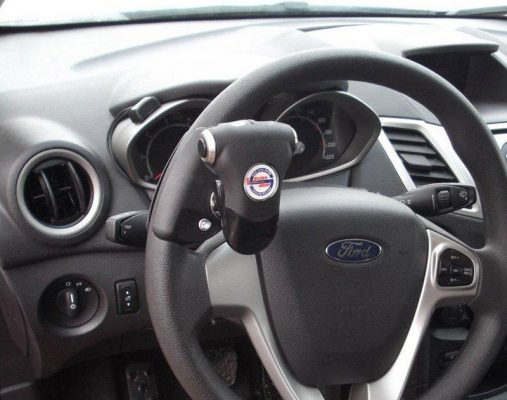
Push-twist hand controls combine two different motions into a single control. In most setups, pushing the control applies the brake, while twisting the handle mounted near or on the steering wheel controls acceleration.
This design allows drivers to keep their hands closer to the steering wheel, improving overall vehicle control and reducing the need for larger arm movements. Push-twist hand controls are often considered intuitive because the twisting motion for acceleration closely resembles the natural motion of turning a dial or throttle.
Electronic Hand Controls
Electronic hand controls are the pinnacle of adaptive driving technology. They use electronic signals to operate the car’s functions and often come with customizable settings for sensitivity and responsiveness.
This type of control is ideal for drivers with limited strength or finger dexterity but comes at a higher cost and may require more frequent maintenance.
Drive-by-Wire Hand Control Systems
Drive-by-wire hand control systems represent a more advanced category of electronic controls. Instead of relying on mechanical linkages, these systems use electronic signals to control acceleration and braking.
Because physical force is not required to operate the pedals directly, drive-by-wire systems are well-suited for drivers with limited strength or endurance. Sensitivity and responsiveness can often be adjusted to accommodate individual preferences, allowing for a more customized driving experience. These systems are typically used in vehicles that support electronic throttle and braking technology.
Touchpad or Joystick-Style Controls
Touchpad or joystick-style hand controls are among the most specialized types of car hand controls. These systems enable drivers to manage acceleration and braking with minimal hand movement, often via small directional inputs or touch-based commands.
This type of control can be helpful for individuals with a very limited range of motion or reduced grip strength. Because the inputs are subtle, these systems often require a learning period to become comfortable and confident. Once mastered, they can provide precise control while reducing the physical strain during driving.
Mechanical vs. Electronic Hand Controls
Mechanical and electronic hand controls differ primarily in how they translate a driver’s hand movements into acceleration and braking.
Mechanical hand controls use physical linkages connected directly to the vehicle’s pedals. When the driver moves the control, that motion is mechanically transferred to the brake or accelerator. Because of this direct connection, many drivers find mechanical systems predictable and responsive. These controls typically require greater physical effort and consistent upper-body strength but are often valued for their simplicity and tactile feedback.
Electronic hand controls, by contrast, rely on electronic signals rather than physical linkages. The driver’s input is interpreted by sensors, which then control the vehicle’s throttle and braking systems. This approach significantly reduces the physical force required to operate the vehicle and enables adjustable sensitivity. Electronic systems are often used by drivers who require minimal effort or more customized responsiveness, though they may involve a steeper learning curve due to their different feel.
Understanding the differences between these types of hand controls helps drivers evaluate which type best aligns with their physical abilities, comfort level, and vehicle compatibility.
Common Hand Control Styles & Configurations
In addition to the type of hand control system, the control configuration plays a significant role in how a vehicle is operated. Configuration refers to the placement and interaction of controls with the steering wheel and other driving functions.
Some drivers operate the accelerator and brake with the right hand while steering with the left, while others use the opposite setup based on strength, coordination, or comfort. Hand controls may be mounted on the steering column, near the steering wheel, or integrated directly into it.
Configurations can also vary based on how braking and acceleration are activated, such as pushing to brake versus pulling to brake. These differences do not change the fundamental type of hand control but can significantly affect ease of use and long-term comfort. The goal of any configuration is to allow smooth, controlled driving while minimizing strain and awkward movement.
How Vehicle Types Affect Hand Control Options
The type of vehicle being adapted can influence which hand control options are available or practical. Factors such as interior space, steering column design, and electronic compatibility all play a role.
- Sedans and standard passenger vehicles often offer a wide range of hand-control options because of their conventional layouts.
- SUVs and trucks may require different configurations due to their higher seating positions and steering geometry.
- Vans, particularly those already adapted for accessibility, may allow for more specialized setups depending on interior modifications.
Vehicle technology also matters. Newer vehicles with electronic throttle systems may be compatible with electronic hand controls, while older vehicles may rely more on mechanical solutions. Transmission type, dashboard layout, and steering wheel design can all affect how hand controls are integrated without interfering with safe vehicle operation.
Learning How to Use Hand Controls for Cars
Transitioning to hand control requires practice and patience. A Certified Driver Rehab Specialist will educate, train, and prescribe the individual with the exact equipment they’ll need. Working with this specialist is essential to ensure safe, confident driving with the right adaptive steering controls.
Common Questions About Types of Hand Controls for Cars
Can Vehicles With Hand Controls be Driven Normally?
A car equipped with hand-control steering aids on the steering wheel can still be driven like any other vehicle. The modifications are designed to be intuitive and do not hinder the car’s performance. In many cases, hand controls can be installed to allow the vehicle to be driven with either the hand controls or the traditional pedals, ensuring flexibility for drivers of all abilities.
Are There Any Special Driving Rules or Regulations When Using Hand Controls?
Hand-control equipment used as a driving aid is subject to the same driving rules and regulations as traditional foot-operated gas and brake pedals. However, it is essential to note that driving with hand controls may require additional documentation and certification, depending on your state or country.
It is best to consult a mobility expert or your local Department of Motor Vehicles (DMV) to ensure you comply with all applicable rules and regulations.
What is the Cost of Adding Hand Controls to a Car?
The cost of installing hand controls varies based on the type of system and vehicle modifications required. While it is an investment, many users find that the increased independence and mobility it provides far outweigh the initial cost. Financing options and potential funding sources, such as vocational rehabilitation programs, can also be explored to help manage expenses.
Will Installing Hand Controls Affect My Car’s Resale Value?
No, installing hand-control equipment will not affect your car’s resale value.
Do Different Disabilities Require Different Hand Control Types?
Different physical limitations can influence which types of hand controls may be most appropriate, though no single system is universally “right” or “wrong.” Factors such as strength, range of motion, coordination, and endurance are vital in determining which option works best for an individual.
Rather than matching a specific disability to a specific hand control type, the focus is typically on how an individual interacts with the controls in real-world driving situations. Professional evaluation and training are often used to determine which type and configuration provides the safest and most comfortable driving experience.
Get the Hand Controls You Need With Help From Southern Bus & Mobility
At Southern Bus & Mobility, we’re not just about providing hand control equipment; we’re about empowering lives. As an NMEDA QAP Certified dealer, we offer top-quality, safe, and reliable mobility solutions tailored to your needs. Visit us at our locations for personalized service and expert advice.
Let us be a part of your journey towards greater independence and freedom on the road.