
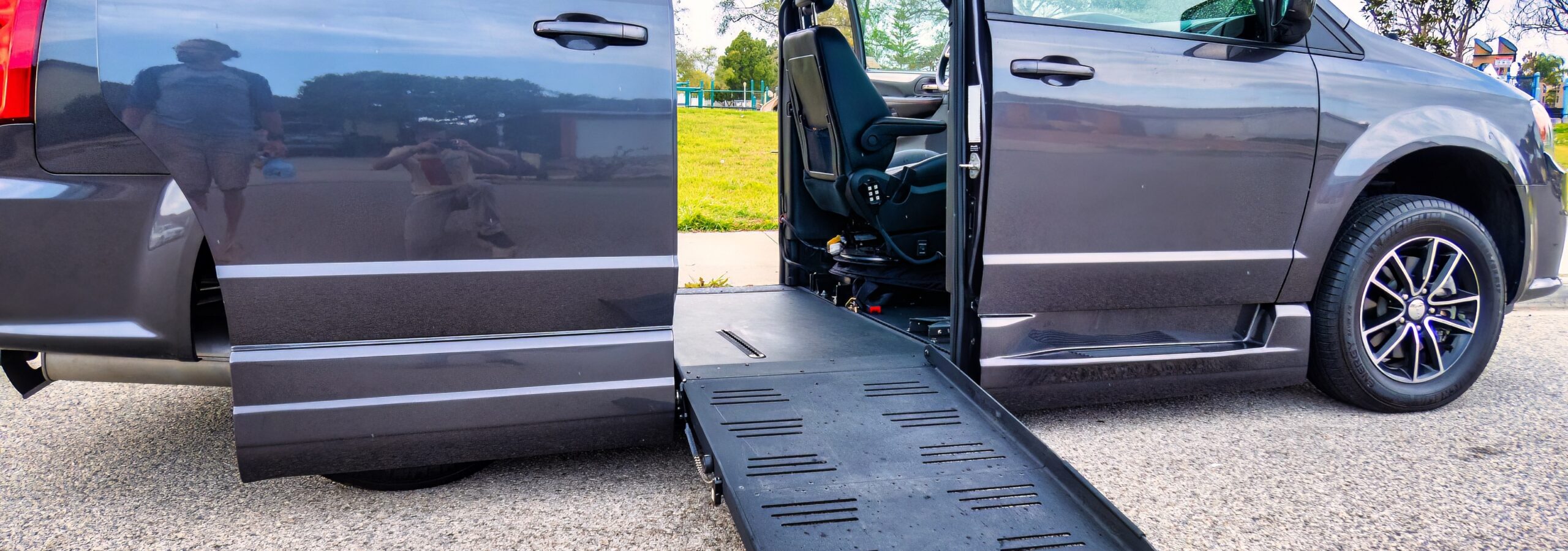
What Is a Lowered Floor Conversion?
A lowered-floor conversion is what turns an ordinary minivan into a true wheelchair-accessible vehicle. Rather than bolting on a lift or leaving a wheelchair user hunched beneath a low roofline, this modification replaces the vehicle’s factory floor with a dropped floorpan, creating the headroom to sit upright and the gentle ramp angle needed to enter, exit, or even drive safely and independently. In this guide, we’ll break down how a lowered-floor conversion is actually built, how side-entry and rear-entry setups differ, what separates a well-built conversion from a corner-cut one, and how to decide whether buying converted or converting your own vehicle makes more sense for you.
How a Lowered Floor Conversion Works
A lowered-floor conversion is a significant structural modification, not an add-on accessory, which is why it’s performed by certified upfitters rather than a general repair shop. The process starts with stripping the vehicle down to its shell: removing the original seats, interior trim, and factory floorpan. From there, a corrosion-resistant lowered pan is welded into place from roughly the firewall back to the rear axle, and the fuel and exhaust systems are rerouted to work around the new floor height.
Once the floor is in, the upfitter reroutes the vehicle’s wiring so the ramp, sliding door, and other conversion features all operate through the factory key fob and switches, integrates a manual or power-folding ramp, and adds L-track tie-downs and reinforced flooring so a wheelchair can be securely fastened for the drive. Custom-molded ground effect panels are added to the exterior to blend the lowered section into the vehicle’s original lines, so from the outside, a well-built conversion looks like part of the factory design rather than an aftermarket add-on.
It’s a longer process than most buyers expect. For a customer-supplied vehicle, the full conversion typically takes about six weeks from drop-off to delivery, though timelines shift with order volume and parts availability. That timeline, plus the precision welding and wiring involved, is exactly why this work should be handled only by a certified manufacturer or dealer, not an unlicensed installer.
Side-Entry vs Rear-Entry Conversions
Once a floor is lowered, the next decision is where the ramp deploys. A side-entry conversion places the ramp at the passenger sliding door, and because the entire floor is lowered rather than just a section, it gives a wheelchair user the option to ride up front or drive the vehicle from their chair. The tradeoff is that side-entry vans need a wider parking space to deploy the ramp, and the deeper structural work involved typically makes them the pricier of the two conversion types.
A rear-entry conversion drops the ramp from the liftgate instead, and only the center section of the floor is lowered, not the whole cabin. That’s a big part of why rear-entry conversions tend to be the more affordable wheelchair conversion van option, and they’re generally easier to park since there’s no side clearance to worry about. The tradeoff runs the other way, though: the wheelchair user rides in the back rather than driving or sitting up front.
Both are common, well-proven paths to a wheelchair accessible van, and the right one comes down to daily parking realities, whether the wheelchair user wants to drive, and budget. If you want to dig further into which setup fits your day-to-day, we’ve done a full comparison of rear-entry and side-entry wheelchair vans that goes into more detail.
What to Look for in a Quality Conversion
Not every lowered-floor conversion is built to the same standard, and the difference matters more once the vehicle is actually on the road. A few things worth checking before you buy:
- Certified manufacturer and dealer network. Conversions from established manufacturers go through structural, corrosion, and crash-safety testing that a one-off shop conversion typically doesn’t.
- Materials built for the long haul. Rust-proofing and corrosion-resistant metals matter, especially here in the Midwest, where road salt and humidity can shorten the life of a poorly sealed floorpan.
- Ramp capacity and warranty coverage. Ramps for quality conversions are commonly rated for 1,000 pounds of capacity and backed by the manufacturer’s warranty, separate from the vehicle’s coverage, so it’s worth asking what’s included before you sign.
- Ground clearance tradeoffs. Lowering a floor does reduce ground clearance somewhat, so keep this in mind if you regularly deal with steep driveways, speed bumps, or deep snow.
- A dealer who asks about your life, not just your vehicle. The right conversion depends on your parking situation, your wheelchair’s dimensions, and whether you or a caregiver will be driving, so a good mobility specialist will ask before they recommend.
Why Buyers Choose a Lowered Floor Conversion
For a lot of families, a lowered-floor conversion is what makes a vehicle usable day-to-day, not just accessible on paper. It gives a wheelchair user real headroom to sit upright, rather than ducking under a low roofline, and it opens the cabin up for caregivers, passengers, or extra mobility equipment. A properly engineered lowered floor also maintains a gradual ramp angle, which matters for anyone rolling in under their own power rather than being pushed. And depending on the entry type, it can hand a wheelchair user genuine independence: the ability to drive the vehicle themselves or choose where they sit, rather than being confined to one spot in the back. Because lowered-floor conversions follow an established manufacturing process rather than a custom one-off build, they also tend to hold their value and pass inspection more predictably down the road.
Buying a Converted Van vs Converting Your Own
Once you’ve decided a lowered-floor conversion is the right fit, there’s usually a second question right behind it: buy a van that’s already converted, or send your own vehicle out to be converted?
Buying an already-converted van is the faster, lower-risk route for most buyers. The vehicle has already undergone the manufacturer’s quality and safety testing, comes with a conversion warranty on top of the vehicle’s own warranty, and you can typically test-drive it before committing.
Converting your own vehicle can offer more control over the base model and trim you start with, but it comes with real tradeoffs: the roughly six-week turnaround, the cost of a vehicle that wasn’t factory-optimized for conversion, and an outcome that depends heavily on the upfitter’s experience. It’s also worth noting that not every vehicle qualifies. Age, mileage, and prior accident history can all affect whether a given van is a good candidate for conversion, which is something a mobility specialist can assess before you commit to the process. If you’re weighing the option of converting your own rather than purchasing an already converted vehicle, we’ve broken down the real costs of each option online.
The two names you’ll see most often in this space are BraunAbility and Vantage Mobility International (VMI), both of which build lowered-floor conversions on popular minivan platforms. Pricing varies based on the base vehicle, entry type, and ramp system you choose, so rather than guessing at a number here, it’s worth getting a quote built around your specific needs.
How Southern Bus and Mobility Can Help
Choosing between a side-entry or rear-entry setup, a manual or power ramp, and a new or pre-owned vehicle is a lot to sort through on your own. Our team walks buyers through each of those decisions one-on-one, matching a lowered-floor conversion to your budget, your parking situation, and how you actually plan to use the vehicle day-to-day.
Get started today by browsing our inventory of new and pre-owned accessible vehicles, reaching out to our team online, or visiting one of our convenient locations, and we’ll help you find the right van.
Frequently Asked Questions About Lowered Floor Conversions
How much does a lowered floor conversion cost?
Cost depends on the base vehicle, entry type, and ramp system, so it’s best to get a quote tailored to your specific needs rather than relying on a one-size-fits-all number.
How long does a lowered floor conversion take?
For a customer-supplied vehicle, the full process typically takes around six weeks from drop-off to delivery, though timelines can shift with order volume and parts availability. Buying an already-converted van from inventory skips this wait entirely.
Should I buy a converted van or convert my own vehicle?
For most buyers, purchasing an already-converted van is faster and lower-risk since it comes with manufacturer testing and warranty coverage already in place. Converting your own vehicle offers more control over the starting vehicle but typically takes longer and depends heavily on the upfitter’s experience.
What’s the difference between a BraunAbility and a VMI conversion?
BraunAbility and VMI are two of the leading manufacturers of lowered floor conversions, each offering its own ramp systems, seating configurations, and vehicle platforms. The right choice comes down to the specific vehicle model, ramp type, and features that fit your needs.
Is a lowered floor conversion safe?
Yes, when it’s completed by a certified manufacturer or dealer. These conversions undergo structural and safety testing, come with their own warranty coverage, and are built to standards that a general repair shop conversion typically doesn’t meet.
Lowered Floors in Wheelchair Accessible Van Conversions: Final Thoughts
A lowered-floor conversion is the foundation of what makes a minivan truly wheelchair-accessible, giving a wheelchair user the headroom, ramp angle, and independence that a standard vehicle simply can’t offer. Whether side-entry or rear-entry fits your life better, and whether you’re buying converted or considering a conversion of your own, Southern Bus & Mobility is here to help you find the right lowered-floor conversion for your needs.